Pain is both symptom and signal. It overviews clinical priorities, shapes patient trust, and, when dealt with badly, weakens end results long after discharge. For nurses, who rest at the bedside and see the arc of a person's day in minute information, discomfort monitoring is not a single skill. It is analysis plus medical reasoning, pharmacology plus communication, and a constant hand throughout emergencies. Excellent training converts scattered understanding into reflexes you can use on a night shift with no pharmacologist on site and a registrar tied up in theatre.
This is a sensible look at exactly how to construct self-confidence and proficiency with discomfort management training for nurses, including just how to choose a discomfort administration course, where short training courses hurting monitoring fit, and what a legitimate discomfort management certification includes in your practice. I will certainly additionally discuss the PUAEme008 requirement, which lots of emergency situation and prehospital programs referral when they instruct how to supply discomfort management in time-critical settings.
Why nurses really feel the weight of pain decisions
A registered nurse typically notifications discomfort first. The refined protectiveness of a limb. The grimace when relocating from supine to seated. The person who states six out of 10 yet can not rest or consume. You are also the individual who provides analgesia, evaluates response, and guards the following dose when the initial one misses out on. On a ward with combined skill, you might triage 3 pain problems within 10 minutes: poorly managed post-op discomfort, a flare of sickle cell vaso-occlusive crisis, and an intricate older adult with ecstasy and presumed hip fracture. Each needs a different lens, and none can wait for a textbook.
Training that blends analysis techniques with decision structures saves time and minimizes risk. The distinction in between providing 2 mg IV morphine currently or trying non-pharmacological steps initially is not a digestive tract phone call. It rests on discomfort type, comorbidities, sedation threat, and the setup's escalation paths. A durable discomfort management training course makes those judgments easier.
The structure: pain physiology and the language of pain
Competent method begins with understanding nociception, inflection, and understanding. Nurses do not need a PhD in neurobiology, however they do require to identify the signals that drive therapy choices. In practice, that suggests mapping discomfort types to treatments:
- Nociceptive pain occurs from tissue injury. Think post-surgical incisions, fractures, or inflammatory states. It usually replies to NSAIDs, acetaminophen, and opioids, with local anesthetic as an adjunct. Neuropathic discomfort comes from nerve injury or disorder. Descriptors consist of burning, shooting, or electric feelings, and the reaction to opioids is frequently insufficient. Gabapentinoids, tricyclics, SNRIs, and topical agents bring even more weight here. Mixed pain shows up more frequently than textbooks admit. A client with a spinal column injury may have inflammatory, neuropathic, and convulsion elements. Multimodal therapy functions far better than pressing any kind of single class.
When nurses see these patterns, they can advocate for the best combinations and prevent chasing dosage rises that just add adverse effects. Excellent pain administration training for nurses teaches this translation from descriptors to medication classes and from patient context to take the chance of mitigation.
A frank word about evaluation scales
Numeric ranking scales work, but they are not the entire story. Some patients underreport pain certificate course in pain management because they do not wish to be seen as complaining. Others overreport to obtain fast alleviation or due to stress and anxiety. Pediatric and cognitively damaged clients count on observational tools. The task is to measure constantly and triangulate with actions and function.
In progressed training, you discover to match a rating with a goal. A palliative client may approve a degree 3 if it enables discussion and time with family members, while an orthopedic client requires a level low sufficient to participate in physical rehabilitation. Ranges for sedation and respiratory standing demand equal interest when opioids remain in play. A pain administration certification training course that highlights integrated assessment over numbers alone will certainly offer you far better than one that deals with scales as an endpoint.
Pharmacology without the fog
The pharmacology section of pain administration programs ought to be unapologetically useful. Registered nurses need to know onset, peak, and duration for typical routes, the crucial contraindications, and exactly how to stack methods without creating harm. An organized, memorable technique assists:
- Acetaminophen rests at the base for many regimens. It lowers opioid demand by a measurable margin, especially in scheduled application. See advancing dose in mix products. NSAIDs make their area for musculoskeletal and inflammatory discomfort. Think about stomach danger, renal feature, and bleeding. In the perioperative setup, timing matters. Opioids have a function, and appreciating that duty suggests utilizing the tiniest effective dose, expecting negative effects, and having a discouraging strategy when discomfort trajectory improves. Adjuvants such as gabapentin, duloxetine, ketamine in low dose, and topical lidocaine can shift end results when neuropathic or refractory components dominate. Training should consist of when to recommend these and what surveillance is required.
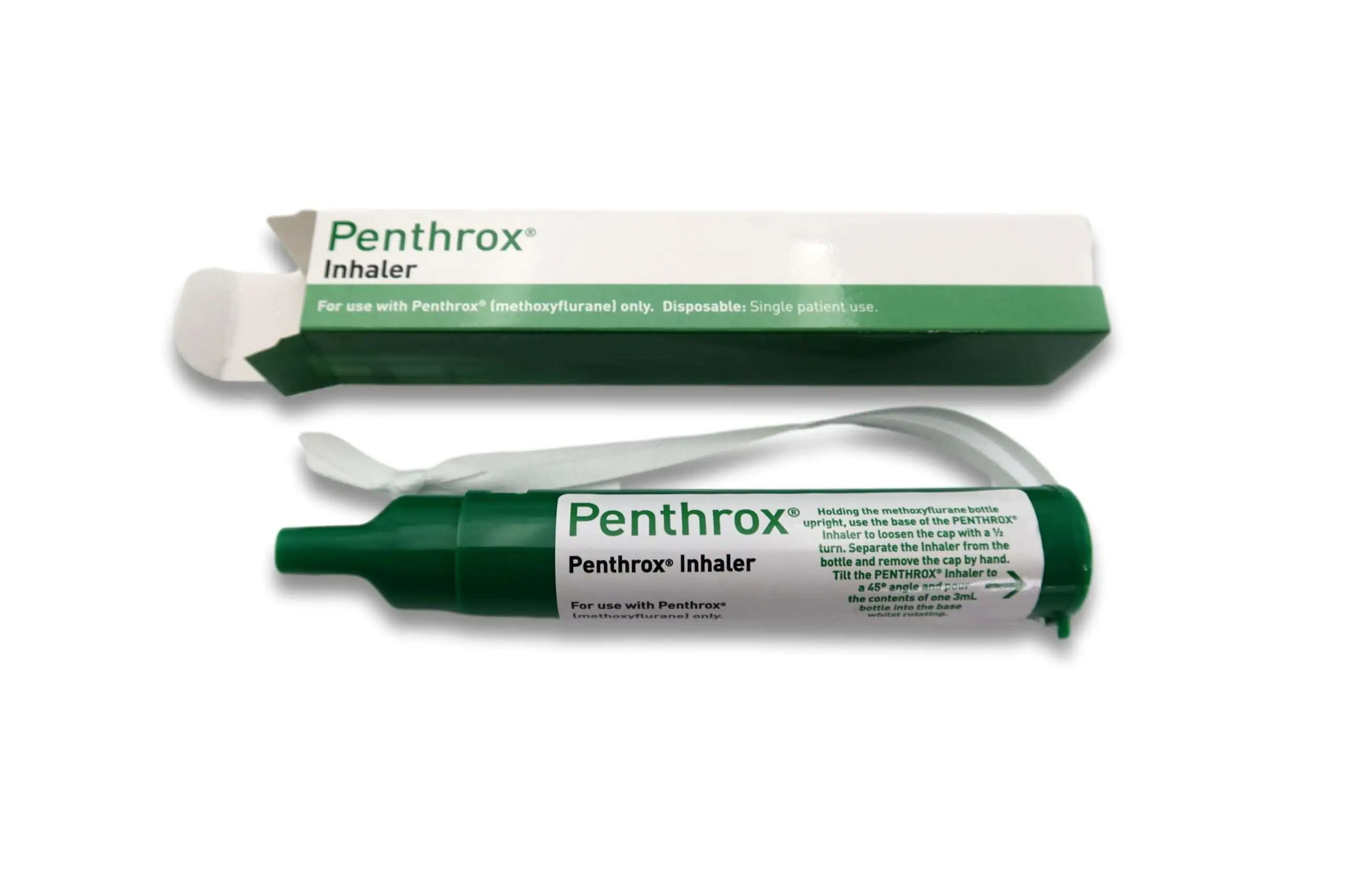
For registered nurses in emergency situation or prehospital atmospheres, a module straightened to PUAEme008 provide discomfort monitoring concentrates on rapid analgesia with limited safety controls. This common highlights scene safety, client analysis, signs and contraindications, and the capacity to keep track of with pulse oximetry and support ventilation when required. Also if you operate in a healthcare facility, the emergency situation pain administration way of thinking instructed in puaeme008 give pain management assists when you have to act before a clinical policeman arrives.
Non-pharmacological steps that actually help
Ice decreases swelling. Heat loosens up muscular tissue convulsion. Positioning changes nerve stress and stress points. Led breathing and short leisure drills reduced supportive activation so opioids work far better and with fewer doses. In my experience, a two-minute trained breathing cycle or a thoroughly positioned pillow can cut 2 factors off a discomfort score. That is enough to prevent a second opioid dosage that would tip a frail person right into oversedation.
Effective pain monitoring training courses do not treat these as second thoughts. They incorporate them right into treatment strategies, demonstrate how to document them, and measure their impact alongside medications.
Communication as intervention
Two discussions change end results greater than many understand. Initially, established expectations: discuss that the objective is tolerable, useful discomfort, not a discomfort score of absolutely no. Individuals that expect numbness request for rising doses and crash right into side effects. Second, discuss timing: take set up non-opioids before physical rehabilitation or wound treatment, and use rapid-onset agents to connect particular tasks. Registered nurses trained to mount these messages see fewer unscheduled calls and more involved patients.
In pediatric wards or with patients with restricted English, functional communication tools matter. A picture-based discomfort scale or an easy interpreter combination can shut spaces fast. A great pain monitoring course for nurses should design these tools, not simply checklist them.
Structured paths, safer decisions
Confidence builds when you have a layout that covers 80 percent of instances and flags the 20 percent that need expert input. That is where short courses hurting management can aid, particularly those that include scenario-based drills. The best programs blend usual situations with edge cases: the client on buprenorphine for opioid use problem, the kidney client with serious gout arthritis, the burn person where titration is minute-to-minute. You learn to stop and ask the concerns that transform the strategy, like current opioid resistance, QTc risks with methadone, or performance degree for dental agents.
Certification brings an external criteria. A pain management certification course that consists of supervised practice and case logs aids convert understanding into reflexes. For registered nurses in blended duties, consider a certificate training course hurting administration that provides elective modules by specialty: perioperative, oncology, aged treatment, or pediatric.
What to seek in a pain monitoring course
The market has actually expanded, and not every offering justifies your time or tuition. A strong program for pain monitoring training for nurses usually includes:
- Case-based knowing with sensible criteria, where you pick among incomplete alternatives and safeguard your reasoning. Skills exercise that exceeds theory: PCA setup and troubleshooting, capnography basics, naloxone methods, regional block surveillance in devices where anesthesia companions with nursing. Assessment of adverse results and acceleration: recognizing early breathing anxiety, managing pruritus or urinary system retention, and changing plans safely. Interdisciplinary input. You want viewpoints from medication, pharmacy, physiotherapy, and psychology. Verification. A pain management accreditation issued by an identified body, or placement to requirements such as PUAEme008 in emergency pain monitoring or national opioid security guidelines.
If you seek rate, there are good discomfort monitoring training courses that run as weekend break intensives. These short training courses suffering monitoring can work if they consist of simulation and follow-up mentoring. If you need formal credentialing for occupation progression, try to find a discomfort administration certificate program with rated assessments and proctored examinations. Some nurses select a pain management certification program that stacks right into postgraduate credit.
Building a clinically valuable toolkit
On the ward, I lug more than procedures in my head. I maintain quick-access referrals for opioid conversions, renal dosing, and adjuncts for neuropathic pain. Pain administration training courses for nurses should assist you assemble this toolkit. At minimum, include:
- A one-page titration guide for common opioids with onset and peak times by route. A checklist for PCA safety and troubleshooting. A table of non-pharmacological methods mapped to problems, so you can message the health care assistant or family member who is eager to help however needs direction. Monitoring thresholds that trigger acceleration, including respiratory system rate, sedation scores, oxygen saturation, and capnography if available.
Another underused device is the practical objective note. Recording "able to sit in chair for half an hour by noontime" or "stroll 20 meters with physiotherapy at 3 pm" supports the plan. It moves discussions from chasing numbers to developing capability.
Special populations and the traps they set
Pain seldom takes a trip alone. Comorbidities, age, and social variables alter the danger account and the appropriate choices. Nurses take advantage of targeted components in pain management training courses for physiotherapists and various other allied specialists because you discover how movement, splinting, or graded task matches analgesia. Three teams are worthy of added attention.
Older grownups. Pharmacokinetics alter, and so do threats. Sedatives stack up, constipation aggravates rapidly, and anticholinergic adverse effects amplify confusion. For frail patients, you often win more by maximizing acetaminophen, using topical agents, and picking short-acting opioids in little doses with close reassessment. Quiet spaces and daylight direct exposure decrease agitation and perceived discomfort. Training ought to emphasize delirium prevention along with analgesia.
People with opioid tolerance or opioid usage disorder. Standard needs may be greater, and withdrawal turns up as discomfort if you are not ready. Coordinate with prescribers to proceed maintenance treatment like buprenorphine or methadone while dealing with acute pain. Split application and multimodal complements are your pals. A program that covers this area will give you scripts for hard discussions and risk-free order readies to suggest.
Renal and hepatic problems. Gabapentin accumulates promptly with reduced eGFR, NSAIDs can tip kidneys over, and morphine's metabolites stick around. Registered nurses that grasp these compromises capture inequalities early and timely safe replacements, like fentanyl for severe kidney problems or topical NSAIDs when systemic dangers are high.
Emergencies, rate, and safety
Emergency discomfort monitoring compresses time. The individual with a disjointed shoulder does not require a thoughtful debate. They need quickly, properly dosed analgesia and a plan to sustain respiration if sedation is made use of. Educating lined up to PUAEme008 offer pain administration focuses on the balance courses in emergency pain management between fast relief and organized monitoring. Key elements include scene size-up, respiratory tract and breathing assessment, clear contraindications, and rise triggers. Nurses that complete a program anchored in puaeme008 report much better convenience with intranasal fentanyl for kids, titrated IV opioids for extreme trauma, and the self-control to reassess within a couple of minutes as opposed to drifting to the following task.
In crowded emergency departments, the small practices matter. Prepare naloxone before you require it. Place capnography when you anticipate intensifying doses. Prime non-pharmacological accessories such as immobilization or splinting before the 2nd dosage goes across the line from handy to dangerous. These are teachable actions, and the right discomfort administration training makes them automatic.
Documentation that secures individuals and professionals
Clear, succinct notes pay rewards. Document baseline pain with context, not simply numbers. Keep in mind practical goals, treatments attempted, timing of each, and the person's action. When you make use of opioids, document respiratory and sedation scores at defined periods. When you choose not to escalate, say why. A training course that drills this style of paperwork enhances handover top quality and reduces missed signs. It additionally matters medicolegally, which nobody appreciates reviewing, but every person is eased they considered when a case is reviewed.
Measuring development and sustaining skills
A one-off training course starts the journey, but competency fades without use. Numerous teams embrace quick skills refreshers at the beginning of changes or throughout safety gathers. Five mins to review the PCA security list or to talk about a case of neuropathic flare keeps knowledge alive. Combine brand-new nurses with a pain champ on the unit for the first three months. Invite physio therapists to your in-services and attend theirs. Cross-pollination helps.
If your company tracks metrics, push for a package that matters: time to initial analgesic in moderate to extreme pain, portion of individuals with documented practical goals, rate of opioid-related negative events, and patient-reported end results on sleep or flexibility. Commemorate enhancements and explore misses out on. Discomfort administration training courses that include top quality renovation approaches equip nurses to lead these efforts.

Choosing between course formats
Not everyone needs the exact same path. If you are brand-new to acute care, begin with a foundational discomfort administration program that covers physiology, assessment, core pharmacology, and non-pharmacological approaches. Include an emergency situation component if your device obtains unstable people. Registered nurses in rehabilitation or community settings might prefer discomfort administration courses for physiotherapists as a complement, due to the fact that activity approach and pacing dominate end results there.
Mid-career nurses commonly benefit from a pain administration qualification that validates sophisticated method. Look for programs that offer a discomfort monitoring certification with a robust examination and case portfolio. If time is tight, brief training courses hurting monitoring can load targeted gaps, such as neuropathic discomfort or pediatric analgesia. Watch on whether the supplier supplies a laddered strategy: pile two or three components, after that rest for a discomfort monitoring certification training course that attributes your previous learning.
For instructors and device leaders, construct an inner curriculum that maps to your client population. For medical wards, stress PCA administration, local analgesia surveillance, and early mobilization. For oncology, emphasize mucositis, bone metastases, and neuropathic syndromes. For emergency situation, incorporate PUAEme008 elements to ensure risk-free, rapid response. Partner with drug store to examine high-risk combinations quarterly.
When a certificate alters the job
Some hospitals now like or need a pain monitoring certificate for nurses in functions such as acute pain solution liaison or pre-op facility lead. The reward is greater than a line on a CURRICULUM VITAE. Certified registered nurses tend to serve as reputable consults on complex cases, compose far better care strategies, and decrease unnecessary opioid rise. They additionally coach coworkers better, since they have language and frameworks that convert well during hectic changes. If your goals include management or specialist method, a formal discomfort monitoring qualification is worth the effort.
Bringing it back to the bedside
A last tale, due to the fact that the bedside is where training confirms itself. A middle-aged male after stomach surgical treatment ranked his discomfort at eight. He had gotten morphine two times with little relief and rising nausea or vomiting. The nurse working paused, reassessed, and discovered a dermatomal, melting quality around the laceration with allodynia to light touch. She asked the team to include a low-dose ketamine mixture for 12 hours, scheduled acetaminophen, and a topical lidocaine patch beside the cut once the clothing allowed. Within 90 minutes, the pain fell to four, nausea or vomiting settled, and he walked with physical rehabilitation the next early morning. That nurse had actually finished a certification program in pain monitoring two months earlier. The strategy she recommended originated from a circumstance because training course virtually line for line.

Confidence expands when your concepts work. Skills expands when you duplicate those wins throughout different clients and share them with associates. Thoughtful pain management training for nurses, whether through structured pain monitoring training courses, targeted short courses, or a comprehensive pain management accreditation, offers you both. The individual feels it in the initial dose that strikes the mark, the group feels it in less crises, and you feel it when your hand quits hovering over the call bell since you already know the following right step.